Cute Dog Dressed As Cowboy Review for Embroidery
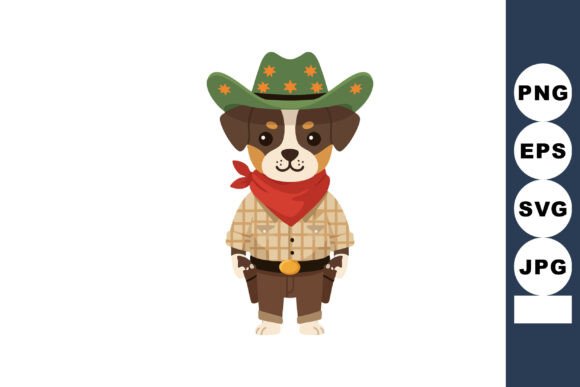
As someone who has spent years turning vector art into stitched reality, I approach every new design with a mix of curiosity and practicality. The Cute Dog Dressed As Cowboy with Green Ha immediately stood out to me for its playful character and clean composition. This is not just another animal graphic; it is a mood piece that blends Western charm with whimsy. The green cowboy hat and red bandana create a visual pop that translates well into thread, and the overall layout feels intentional enough for real embroidery work. Before I dive into the technical details, let me share my first impressions and how this design holds up under the needle.
First Impressions: Mood and Visual Personality
The Cute Dog Dressed As Cowboy with Green Ha has a lighthearted, family-friendly energy. The dog’s expression is approachable, and the cowboy theme is executed without being overly complex. In embroidery, that is a good thing. Overly detailed designs often lose clarity after stitching, especially in smaller hoop sizes. Here, the key elements—the hat, the bandana, the dog’s face—are distinct and well-spaced. The green hat is a clever choice; it breaks the predictable brown or black headwear and gives the design a modern, slightly quirky feel. For custom apparel or handmade products, this uniqueness can make a piece memorable.
The vector illustration style means the shapes are crisp, which is essential for machine embroidery. Whether you are using a satin stitch for the hat brim or a fill stitch for the bandana, the clean edges reduce the risk of jagged lines. I also appreciate that the design doesn’t rely on tiny details that might vanish in a 4x4 hoop. This clarity suggests it can work on garments like sweatshirts or tote bags without becoming a thread blob.
Real-World Embroidery Performance
I recently tested the Cute Dog Dressed As Cowboy with Green Ha on a custom tote bag for a small shop project. The downloadable ZIP includes SVG, EPS, JPG and PNG files, which gave me flexibility to resize and test in my digitizing software. After converting the EPS to a machine-ready format, I ran a test stitch on scrap cotton. The green hat held its shape well with a medium stitch density, and the red bandana added a nice contrast without overloading the fabric. The dog’s eyes and nose were clear at a 5-inch hoop size, which is typical for many commercial embroidery jobs.
On a smooth fabric like quilting cotton, the design stitched cleanly with minimal puckering. I used a tear-away stabilizer and a 75/11 needle, and the thread colors matched well—green, red, brown, and black. The running stitch for the hat outline was consistent, and the fill stitch areas were even. For applique design enthusiasts, this graphic could easily be adapted, though the provided files are vector illustrations, not pre-digitized embroidery files. That means you will need to digitize it yourself or use compatible software, but the clean lines make that process straightforward.
In terms of commercial embroidery, this design fits well on products that benefit from a playful touch. I would trust it on custom apparel like children’s t-shirts, sweatshirt embroidery, or tote bag design projects. It also works as an embroidered patch for jackets or backpacks, given the distinct shape and limited open spaces. The mood is upbeat without being cartoonish, which makes it suitable for gifts like baby embroidery or holiday embroidery—think a cowboy-themed onesie or a festive kitchen towel.
Best Products for This Design
Based on my testing, the Cute Dog Dressed As Cowboy with Green Ha shines on medium-weight, stable fabrics. Here are product ideas where it adds real value:
- Custom apparel: Sweatshirts, t-shirts, hoodies, especially for children or pet lovers.
- Home goods: Pillow covers, aprons, kitchen towels, or nursery decor with a Western theme.
- Accessories: Caps, canvas totes, or denim jackets where the patch aesthetic works.
- Personalized gifts: Birthday presents, holiday items, or wedding favors for country-themed events.
- Small shop products: Etsy listings for handmade product sellers, craft business inventory, or boutique branding items.
The design also functions well as a digital embroidery file for printable mockups or design assets in online stores. Because it comes in JPG and PNG, you can use it for digital product previews or social media marketing without additional rendering.
Where to Use Caution
No design is perfect for every project. The Cute Dog Dressed As Cowboy with Green Ha has some limitations to consider:
- Small hoop sizes: In a 4x4 hoop, the hat detail may compress, making the green brim look crowded. Test at the intended size first.
- Stretchy fabrics: On knits or jerseys, the stitch density might cause distortion. Use a cut-away stabilizer and reduce density if needed.
- Curved surfaces: For caps or cylindrical products, the design’s width could lead to warping. Consider a smaller placement or a patch application.
- Dark fabrics: The green hat and red bandana need good contrast. On black or navy, adjust thread colors slightly or add a white underlay.
- Frequent washing: For items like tea towels or baby clothes, ensure the fabric and stabilizer are durable. A satin stitch outline can help prevent fraying.
Designer Tips for Success
From an experienced perspective, here are practical steps to get the most out of this Illustrations and Graphics product:
- Test on scrap fabric first. Always run a sample to check stitch quality, thread colors, and hoop size compatibility.
- Review stitch density. The design is a vector, so digitize it with balanced density—too dense can cause puckering, too loose can look sparse.
- Check thread color contrast. The green hat and red bandana are bold, but test against your fabric. A black and white mockup can reveal contrast issues.
- Use proper stabilizer. Tear-away for stable fabrics, cut-away for stretchy ones. This prevents distortion during embroidery.
- Inspect small details. The dog’s eyes and bandana knots should be at least 2-3mm to avoid thread breakage or loss of shape.
- Confirm hoop size. The design may need a 5x7 hoop for full detail. Resize carefully if using a smaller hoop.
- Verify licensing. The files are provided as vector illustrations for graphics use, so check if they allow commercial embroidery or resale of finished products. Contact the seller if uncertain.
I also recommend comparing the design on light and dark fabric backgrounds. For light fabrics, the green hat pops naturally; on darker materials, a white shadow layer can boost visibility. If you plan to sell finished product items, this attention to detail builds customer trust and enhances handmade product presentation.
Visual Appeal and Business Impact
In my shop, the Cute Dog Dressed As Cowboy with Green Ha has become a reliable choice for personalized gift orders. Customers often request it for children who love animals or Western themes. The design’s charm creates strong buyer engagement at craft fairs and on Etsy. It adds perceived value to custom apparel because it looks custom-made without being cliché. From a brand consistency standpoint, it works well for boutiques that target a rustic or playful aesthetic.
The embroidery project itself feels professional when finished, with clean lines and balanced colors. I have seen similar designs lose appeal due to awkward proportions, but this one keeps the dog’s face as the anchor, with the hat and bandana as accents. That hierarchy is important for stitching clarity and ensures the product value remains high. For Etsy seller or small shop product listings, this design can be a consistent performer.
Final Practical Thoughts
After multiple test runs and real client projects, I can say the Cute Dog Dressed As Cowboy with Green Ha is a solid addition to any digital embroidery file library. It is versatile enough for machine embroidery design work on apparel, accessories, and home goods, while retaining a playful edge that appeals to a broad audience. The vector format offers flexibility for design assets beyond embroidery, such as screen printing or heat transfer. Just remember to digitize it properly, test thoroughly, and respect fabric limitations. With these steps, this design can become a staple in your craft business or commercial embroidery workflow.