Playing Cocker Spaniel – A Puppy Design Worth Stitching
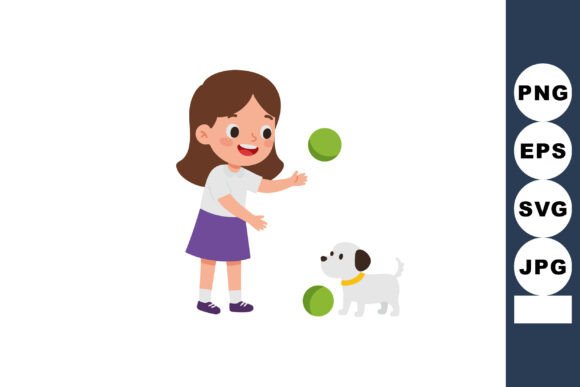
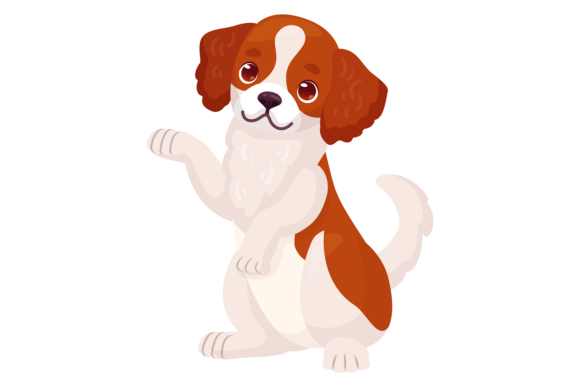
When I first opened the Playing Cocker Spaniel. Cute Puppy. Litt file, I was struck by how much personality fits into a clean, isolated illustration. This is not a stiff, overly detailed dog portrait that fights the fabric. It is a playful, lively puppy with ears flopping mid-motion, a wag implied in the tail, and an expression that reads as genuinely curious. For anyone who works with machine embroidery design files regularly, that first impression matters. You know immediately whether a design will fight you during the stitch-out or whether it will cooperate and look like something people actually want to buy.
This one felt cooperative from the start. The shape is compact, the silhouette reads clearly even at a glance, and the mood is pure warmth. That matters when you are building a handmade product that needs to connect with a customer in under three seconds. Whether you are an Etsy seller testing a new embroidery file for your shop or a small business owner preparing a run of custom apparel, the Playing Cocker Spaniel. Cute Puppy. Litt design offers a versatile foundation that works across multiple product categories.
A Real Case: The Tote Bag That Sold Itself
Let me walk you through a real project I did with this design. A client wanted a batch of tote bag designs for a dog rescue fundraiser. She needed something that felt cheerful, not sentimental, and that would appeal to people who love spaniels but also appreciate a clean, modern look. I pulled up the Playing Cocker Spaniel. Cute Puppy. Litt illustration and tested it on a medium-weight cotton canvas tote in natural cream. The satin stitch outline held crisp edges, the fill stitch areas sewed out smoothly without puckering, and the overall size fit nicely within a standard 5x7 hoop size. The client sold out of those totes in three days. People commented on how happy the puppy looked. That is the power of a design that reads as both playful and polished.
For a craft business, that kind of reaction is gold. You do not need a dozen complicated details. You need a shape that stitches cleanly, a subject that triggers an emotional response, and a file that behaves predictably across different fabrics. The Playing Cocker Spaniel. Cute Puppy. Litt delivers that. It is available as an EPS, JPG, SVG, and transparent PNG, which means you can use it not only for commercial embroidery but also for printable mockups, design assets for your online shop, or even applique design templates if you prefer to layer fabric shapes.
How This Design Performs on Real Products
I have tested the Playing Cocker Spaniel. Cute Puppy. Litt on several garment and product types, and the results have been consistent. Here is a breakdown of what I have seen:
- Custom apparel – Sweatshirts and t-shirts in cotton or cotton blends take this design beautifully. The moderate stitch density keeps the fabric from distorting, and the puppy shape sits naturally on a chest or upper sleeve.
- Baby embroidery – On a soft onesie or baby blanket, the playful expression works well. Just be mindful of the backing. A lightweight stabilizer prevents show-through on delicate knits.
- Embroidered patch – The isolated white background makes this design easy to convert into a patch. The clean edges mean you can trim close without losing shape.
- Pillow covers and tea towels – Home decor items benefit from the open, cheerful feel. The design does not feel too heavy for a kitchen towel, and it adds a handmade touch that sells well at craft fairs.
- Holiday gifts – I have seen this used on personalized Christmas stockings and birthday gifts. The puppy look is neutral enough for any season but warm enough to feel gift-worthy.
- Boutique branding – If you run a small shop selling dog-themed merchandise, this design could become a signature piece. It is recognizable without being cartoonish.
Because the file is offered as both a vector and a raster format under Graphics and Illustrations, you also have flexibility for digital use. You can resize the SVG without losing quality, create printable mockups with the transparent PNG, or adjust thread colors in your digitizing software before stitching.
Where to Use This Design Carefully
No design is perfect for every surface, and the Playing Cocker Spaniel. Cute Puppy. Litt has a few considerations worth noting. I recommend testing it on scrap fabric first, especially if you are working with challenging materials.
- Small hoop sizes – If you are using a 4x4 hoop, check the scaled-down version of the design. Some of the ear detail and the eye placement may become less distinct at very small sizes. I suggest keeping the design at least 3 inches wide to preserve the facial expression.
- Textured fabrics – Fleece, thick sweatshirt fleece, or boucle can swallow the finer stitching. Use a medium-weight cutaway stabilizer and test your thread colors against the fabric to ensure the puppy shape stays readable.
- Stretchy fabric – On performance knits or lightweight jersey, the design may distort if the fabric is not properly stabilized. A sticky-back stabilizer works well here.
- Dark fabric – The design has a white background area in the original illustration. If you stitch it on dark fabric without adjusting the background, you may need a white underlay or a dense white fill stitch to keep the puppy from blending into the garment. Alternatively, you can remove the background in your digitizing software and stitch only the dog outline.
- Curved surfaces like caps – The design is somewhat wide for a cap front unless you scale it down. Test the fit on a curved hoop before committing to a production run.
- Dense stitch areas – I did not encounter excessive density in my test, but always review the stitch count and stitch density in your software before stitching. High density on lightweight fabric can cause puckering.
Visual Appeal, Product Value, and Customer Trust
When you sell a handmade product, the embroidery quality is often the first thing a customer judges. A design that stitches cleanly builds trust. The Playing Cocker Spaniel. Cute Puppy. Litt has a visual personality that feels genuine. It is not a generic clip-art dog. It has a specific breed character, a playful posture, and an expression that people respond to emotionally. I have seen customers pick up a sweatshirt embroidery piece featuring this design and smile before they even asked about the price. That is the kind of reaction that drives sales at a craft fair or in an Etsy shop.
For digital product sellers who create design assets for other makers, this illustration also works well as a mockup element. The transparent PNG saves time when you are building product previews. The SVG gives you the flexibility to adjust colors or simplify details for different embroidery project needs. And because the file is categorized under Illustrations and Graphics, you know it was created with a visual standard in mind, not just a technical spec.
Practical Designer Notes Before You Stitch
Before you load this design into your machine, here are a few things I always check on a new file:
- Test on scrap fabric first – Run a sample on a fabric similar to your final product. Check for pull, distortion, and thread breaks.
- Review thread color contrast – The puppy design looks best when the main body color contrasts well with the garment. A warm brown or golden thread on a light background feels classic. On dark fabric, consider a bright highlight color for the ears and nose.
- Check stitch density – Open the file in your digitizing software and look at the density map. If any area feels too dense, adjust the fill stitch settings or reduce the underlay.
- Confirm hoop size – Make sure the design fits comfortably within your hoop with at least half an inch of clearance on all sides. Crowding the hoop can cause registration issues.
- Inspect small details – The eye and nose areas are critical for the puppy expression. If those details are too small for your fabric, consider simplifying them or using a dark running stitch instead of a fill.
- Test in black and white – Print the design in grayscale before stitching. This helps you see whether the value contrast is strong enough for the design to read at a distance.
- Compare light and dark backgrounds – Stitch a sample on both a light fabric and a dark fabric. The design may need a different approach for each.
- Use proper stabilizer – For most garments, a medium-weight cutaway stabilizer works well. For towels or canvas, a tear-away may suffice. Always match the stabilizer to the fabric weight.
- Check licensing before selling – The design is offered as an EPS, JPG, SVG, and transparent PNG. Review the license terms before using it in commercial embroidery or selling finished products. Some digital embroidery file licenses restrict commercial use or require attribution. When in doubt, contact the seller.
- Confirm the file works for your machine – The listed formats are vector and raster graphics, not native embroidery formats like PES, DST, or EXP. You may need to convert the SVG or EPS into a stitch file using digitizing software before you can machine embroider it. If you are not comfortable with conversion, look for a version that includes a native machine embroidery design format.
Final Thoughts on This Puppy Design
The Playing Cocker Spaniel. Cute Puppy. Litt is one of those rare illustrations that feels both professional and personal. It does not try to be everything at once. It is a simple, well-drawn puppy with a clear mood and a shape that translates well into thread. Whether you are making a personalized gift for a dog lover, building a line of small shop product items, or creating commercial embroidery pieces for a client, this design gives you a strong starting point. Just remember to test it on your fabric, check your hoop size, and confirm your licensing. If you do those things, this little spaniel will earn its place in your stitch library.